

Obtaining a Driving License C+E
There are a few things you should be aware of if you are planning to obtain a trucker's permit. These licenses are different from standard driver's licenses and have additional restrictions.
The driver must also meet minimum requirements. Usually, the maximum mass of the traction unit and the trailer should not exceed 12,000 kg.
Theoretical test
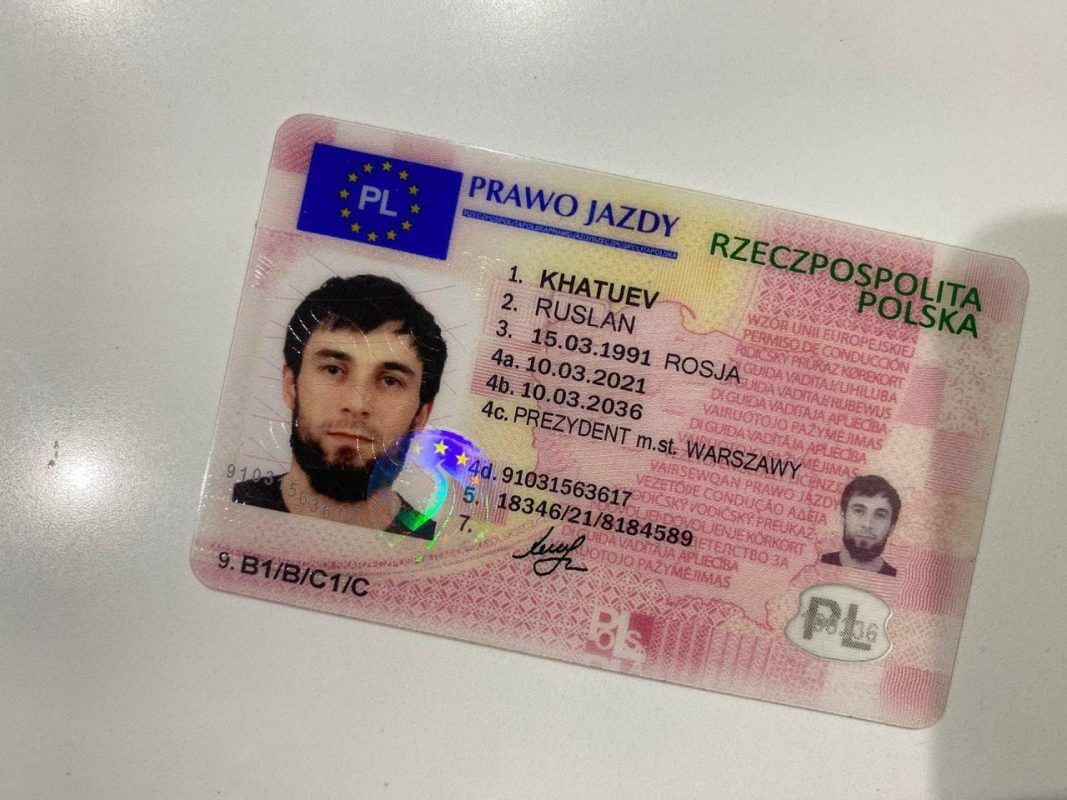
To obtain a C+E driving licence it is necessary to pass a theory and a practical test. The two tests are separate but are usually taken on the same day. The theory test covers knowledge of topics like road signs, safety of vehicles and regulations. It also covers the legal requirements for operating an HGV. To prepare for the theory test it is recommended you read relevant material and do practice tests. You can find theory test practice materials online as well as in official DVSA publications.
The test is a practical one that requires you to demonstrate your ability to control the vehicle. You will need to be able to perform tasks such as steering, slope beginning (for manual transmission vehicles) and backing up. The examiner will also be asking questions regarding load security and other issues related to HGV operation. You must be able to identify and describe the various parts of the vehicle. Additionally, you must be competent to answer questions regarding traffic laws and how to handle emergency situations.
You must be at least 18 years of age and hold an active provisional license before you can take the theory test. You must also have passed a medical examination that checks your eyesight and blood pressure. You must also have a clean criminal history and be free of serious medical issues.
There are many ways to prepare for your theory test including studying the manual for the theory test as well as taking practice tests and taking classes at an approved driving school. You should make sure to select a driving school that offers courses for all types of vehicles. You can find out more about these schools if you go to their websites or read reviews.
You will receive a test results certificate upon passing the test. You can check your test results live on the DVSA's website. The certificate will include information about your rights to drive and the vehicle category. The certificate will also contain contact information for the driving center that conducted your test.
Road test
The test on the road is the final test before you receive your license. This is the time to get behind the steering wheel with a DMV examiner who will take you around your local test area and observe how you drive on real roads in traffic conditions. This is a major stage, so it's essential to be prepared. Arriving early and having all your documents ready will help you feel less nervous on the day of the test. Also, it's recommended to have your car examined by a mechanic prior to the test to ensure that everything is functioning properly.
The driving examiner will ask you to demonstrate a variety of skills, such as driving at speed limits as well as maneuvering the truck and parking. You will be asked questions regarding the legality of road rules and how to handle emergencies. If you pass the test, you will be issued a temporary driver's license and you can expect your photo driver's license to arrive in the mail shortly. If you fail the test the test taker will provide feedback and tell you what areas you need to improve. It is important to take this feedback seriously and take the time to practice those areas before rescheduling your test.
Bring your photo learner's permit and the certificate of completion of the five-hour prelicensing training course when you schedule your on-road test. You'll also have to provide a vehicle with the same class as the one you used for your Driver CPC part 3a test (for instance, an articulated lorry licensed under category CE). The test on-road can only be taken by drivers who have passed the Driver Certificate of Professional Compatibility part 1 theory test as well as the Driver CPC Part 3a off-road exercise test.
The driving licence category C + E is the most comprehensive HGV license you can get and enables you to drive any medium or large goods vehicle such as an articulated lorry. You can tow a trailer with a maximum authorised mass of more than 750 kilograms, and you can also drive a tractor. The license is valid for five years.
Medical exam
To obtain a C+E licence, you must undergo a medical examination. The examiner will ask you questions about your health, vision and hearing to determine if you are fit to drive. If you suffer from any medical issue, it is crucial to inform the examiner prior to taking your test. For instance, it is crucial to declare any chronic illnesses or injuries that may affect your driving ability. You should disclose to the examiner, for instance whether you're diabetic and are taking insulin, or if you suffer from cancer (lung, non-Hodgkins, lymphoma, melanoma). Your doctor may advise you to not drive if you suffer from any of these conditions.
For drivers who must carry passengers, a second passenger carrying vehicle (SPCV) license is required. This is a separate license that is valid for vehicles with more than eight seats. Visit the Department of Transport website for more details on the requirements for a SPCV license.
The final rule requires state licensing agencies to publish on the CDLIS driver record the status indicator of whether a driver is medically certified or requires medical variance. The information posted on the driver record is identical to that available to employers of motor vehicles and drivers required to provide the information to each other prior to a driver operating a CMV in interstate commerce.
This change will increase the workload for certain States and trucking companies but it will also allow FMCSA to identify patterns in medical certificate documentation by querying the licensing databases at any given moment. They will no longer be limited to checking this during roadside inspections or compliance reviews. This will also allow State licensing agencies to reduce expenses by reducing the requirement for drivers to carry paper copies of their medical certificates in their trucks.
In response to the comments received from the Agency the final rule clarifies that an CDL driver who fails to provide a new medical certificate prior to the expiration date isn't automatically deemed medically unqualified, and is not subject to any other penalty for this infraction. The agency has also made other changes to ensure that the medical certificate status is clearly displayed on the driver's record.
Documentation
To be eligible for the C+E licence, you must possess a valid driving licence category B (car) and a valid Driver Certificate of Professional Compatibility (Driver CPC). Kup Prawo Jazdy A A1 A2 bez testu must also pass a medical examination. Inform the examiner of any medical issues you might have. They could affect your ability to operate a large vehicle.
Before you can obtain your C+E permit, you'll need to pass a theory and on-road test. The theory test is based on the driving manual of the vehicle category you wish to drive. It typically consists of six lessons of raw material and four lessons of category-specific additive. Each lesson lasts for 45 minutes. To pass the test, you must score at minimum 10 points and answer all questions correctly. The test on the road is designed to evaluate your ability to control and drive an articulated vehicle. It requires you to perform a variety of maneuvers, including turning left and right, and changing lanes. You will also have to reverse, so practice before the test.
The European driving permit allows you to travel in the member states of the European Union. It is the same across all 30 EU countries. This makes it easy to read, even though the language might be different. It also includes an international code that helps border control officials at international borders to understand.
In many countries, licensing departments include a section on the back of the permit that indicates the holder's willingness to donate his or her organs in the event of sudden death. On the permit, "Organ donor" or heart is typically printed. This is an attempt to make the permit more personal and meaningful.
You must have a Class E license to operate a commercial vehicle. This is a special license that allows you drive vehicles for hire or as compensation. To be eligible, you must have at least five years of clear driving history. The DMV will check your records every two or three years to determine if you're eligible to get the Gold License. If you are deemed eligible to apply, the DMV will stamp your license with a gold band over the expiration date, and also the word You Liang (excellent) below it.